
How to Choose the Right Stadium Seat Supplier | Stadium Seating Guide
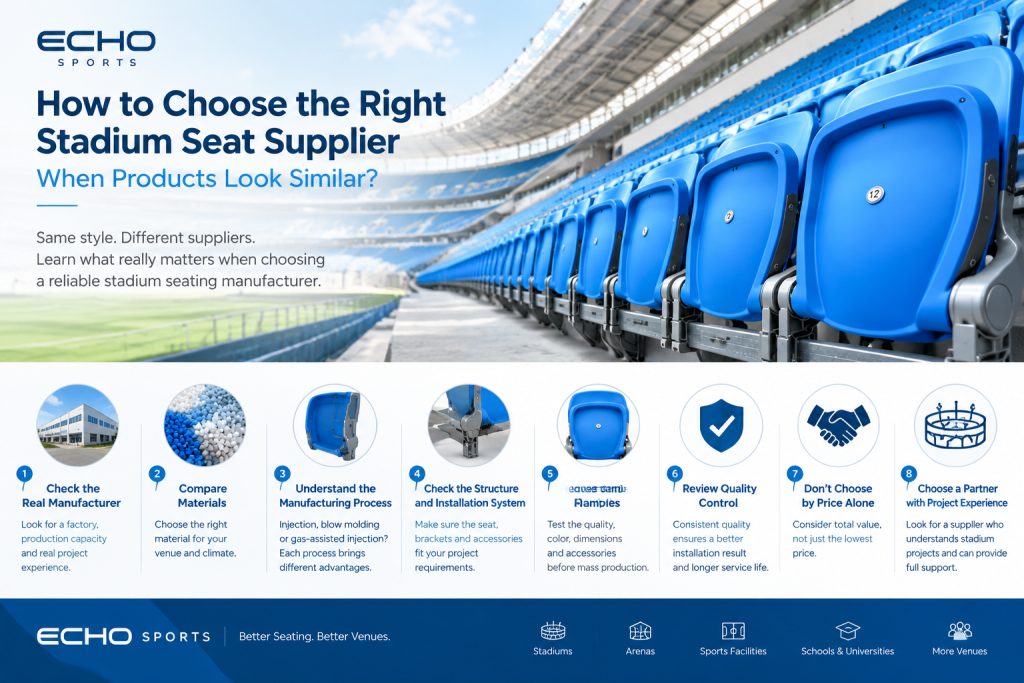
When purchasing stadium seats, many buyers face the same challenge:
Different suppliers may offer very similar-looking stadium seats, but the prices, quality and long-term performance can be very different.
A stadium seat is not only a plastic product. It is a complete solution involving:
- Material selection
- Manufacturing technology
- Structural design
- Mounting system
- Quality control
- Installation support
- After-sales service
Choosing the right supplier is more important than simply choosing the lowest price.
1. Check the Real Manufacturer, Not Just the Product Photos
Many stadium seats on the market may look almost identical because they follow similar designs.
However, the difference often comes from:
- Production capability
- Mold quality
- Raw material control
- Manufacturing experience
- Quality inspection system
Before placing an order, buyers should confirm:
✔ Does the company own its factory?
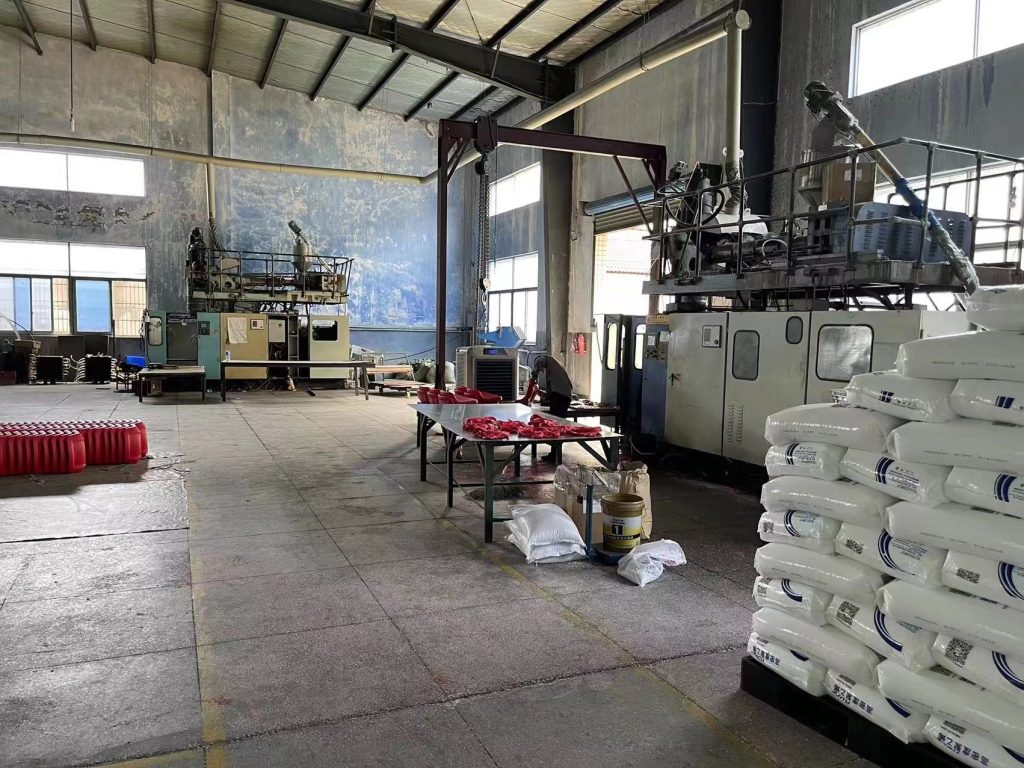
✔ Can they provide production photos or videos?
✔ Do they manufacture the seat themselves or only trade products?
✔ Can they support customized colors, logos and project requirements?
A professional stadium seat manufacturer should be able to provide technical drawings, samples, installation guidance and production details.
2. Compare Materials, Not Only Appearance
Two seats may look the same from the outside, but the material formulation can affect:
- Impact resistance
- UV resistance
- Weather performance
- Service life
- Color stability
Common materials for stadium seating include:
HDPE Stadium Seats
HDPE (High Density Polyethylene) is widely used for outdoor stadium seating because of its good impact resistance, weather resistance and durability.
It is commonly used in:
- Football stadiums
- Outdoor grandstands
- School sports fields
- Public stadium projects
HDPP / PP Injection Molded Seats
Polypropylene-based seats allow more precise molding, refined surface quality and flexible design possibilities.
They are often suitable for:
- Modern arenas
- Indoor stadiums
- Premium seating areas
- Projects requiring detailed design
The correct material depends on the application environment, climate conditions and project requirements.
3. Understand the Manufacturing Process
The manufacturing process directly affects the quality of stadium seats.
Common processes include:
Blow Molding
Advantages:
- Strong impact resistance
- Suitable for outdoor applications
- Cost-effective for large projects
Injection Molding
Advantages:
- Higher dimensional accuracy
- Better surface finish
- More design flexibility
For example, Echo Sports ES2400 uses gas-assisted injection technology to create a more refined and engineered stadium seating solution.
4. Check the Seat Structure and Installation System
A stadium seat is not only the plastic shell.
The complete system includes:
- Seat shell
- Brackets
- Fixing accessories
- Fasteners
- Mounting structure
Before purchasing, confirm:
Installation Method
Different projects may require:
- Floor mounting
- Riser mounting
- Beam mounting
- Retractable systems
The wrong mounting system can create installation problems even if the seat itself is good.
5. Request Samples Before Mass Production
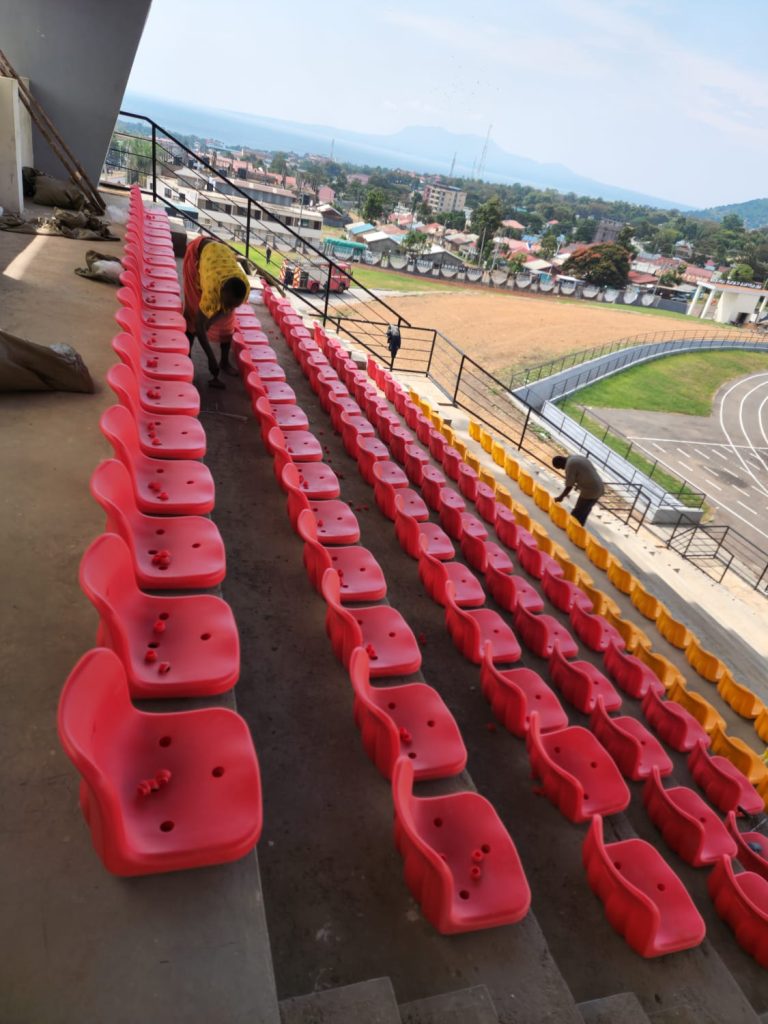
Photos cannot show all product details.
Before a large order, professional buyers usually request samples to check:
✔ Surface quality
✔ Color consistency
✔ Seat dimensions
✔ Folding mechanism
✔ Mounting accessories
✔ Structural details
A production sample should become the reference standard for mass production.
6. Check Quality Control Capability
A reliable supplier should have clear quality control procedures.
Important questions:
- How are raw materials controlled?
- Are colors tested before production?
- Are dimensions checked during production?
- Are finished products inspected before shipment?
For large stadium projects, consistency is extremely important because thousands of seats will be installed together.
7. Do Not Choose Only by Price
Price differences between suppliers usually come from different factors:
Lower Price May Mean:
- Different raw material quality
- Less strict quality control
- Basic accessories
- Limited technical support
- Less production experience
Higher Value Suppliers Usually Provide:
- Better product consistency
- Engineering support
- Complete documentation
- Reliable delivery
- Long-term cooperation
For stadium projects, the cheapest option is not always the lowest total cost.
A reliable supplier can help reduce:
- Installation problems
- Replacement costs
- Project delays
- Maintenance issues
8. Choose a Supplier With Project Experience
A stadium seating supplier should understand more than manufacturing.
They should understand:
- Stadium layout requirements
- Seat spacing
- Installation conditions
- Different venue environments
- International project requirements
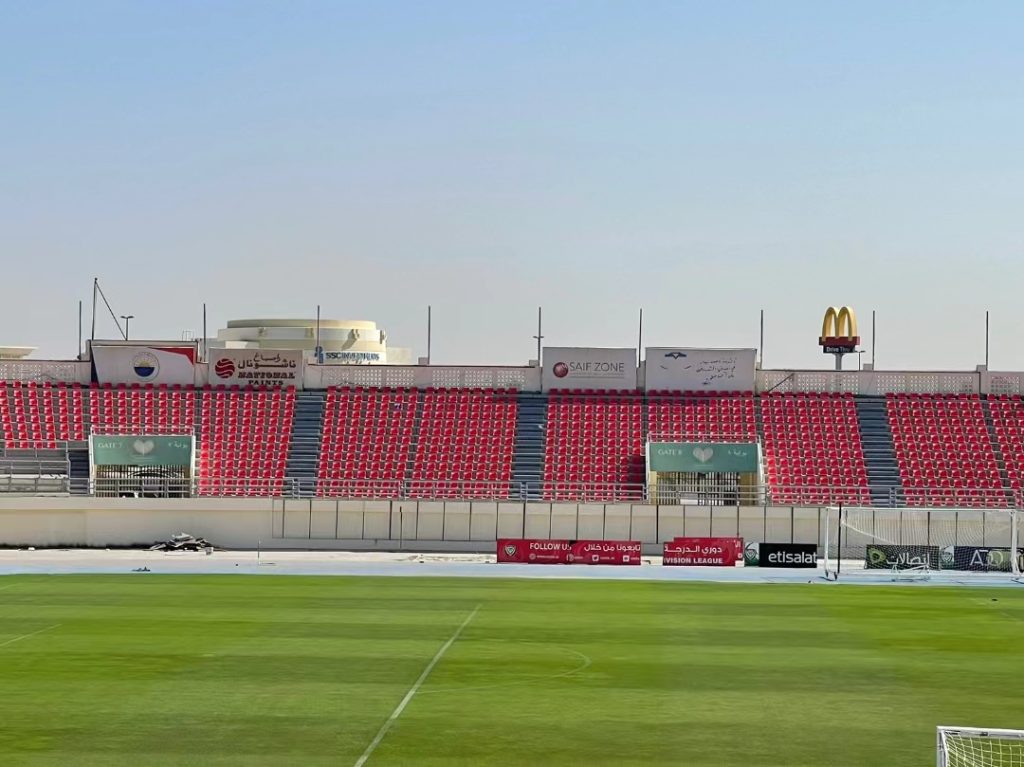
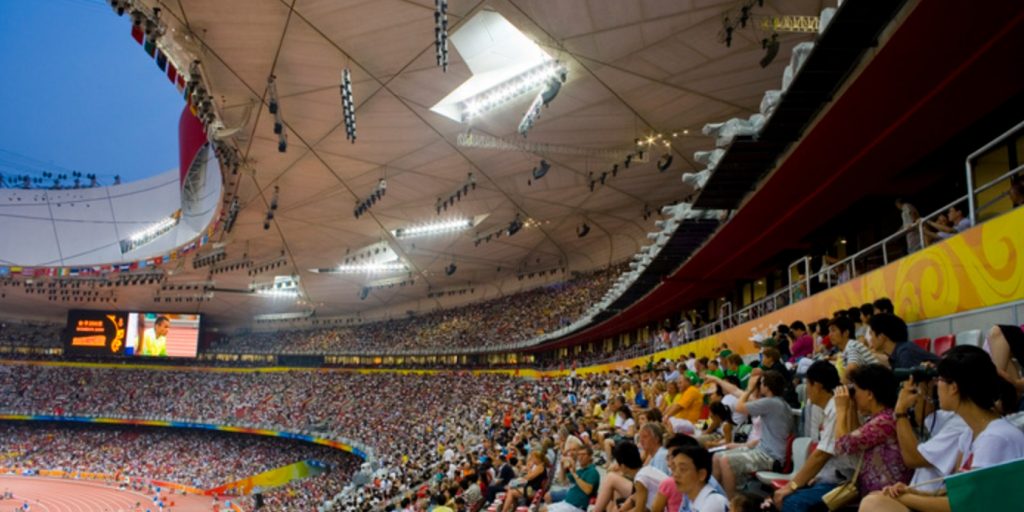
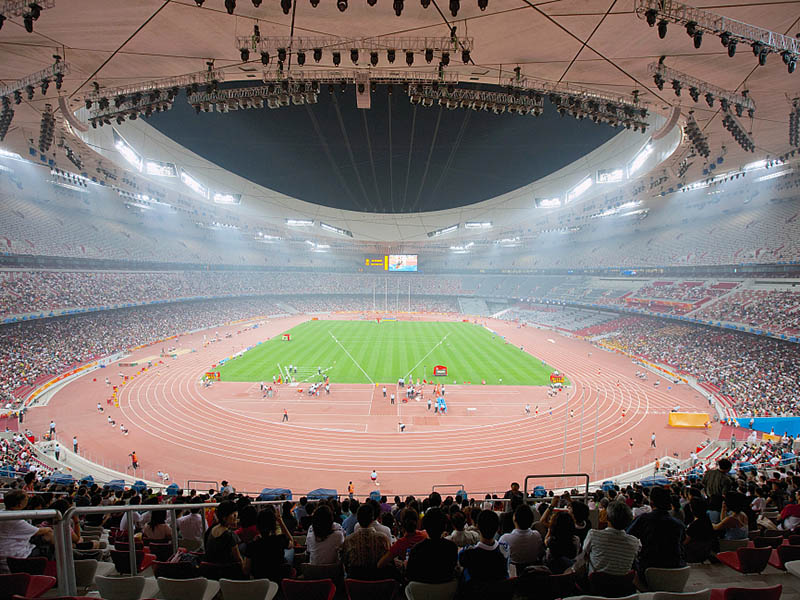
Experience with previous stadium, arena and grandstand projects is an important factor when evaluating suppliers.Echo Sports has extensive experience in overseas projects. It has implemented projects in 112 countries including the United States, Europe, Asia, South America, the Middle East, and Australia.
Echo Sports: More Than a Stadium Seat Manufacturer
At Echo Sports, we focus on providing complete stadium seating solutions for global sports facilities.
Our products include:
- HDPE stadium seats
- HDPP injection molded seats
- Customized seating solutions
With professional manufacturing experience, quality control and project support, Echo Sports helps customers select the right seating solution according to their venue requirements.
If you are interested in sports seats, please feel free to contact us.